


Complete Biomass Fuel Pellet Production Solutions for Renewable Energy
Tongfu provides customized biomass fuel pellet production solutions for converting agricultural residues, plant fibers, forestry by-products, and other biomass materials into dense and easy-to-handle fuel pellets.
As a professional biomass pellet machine manufacturer in China, Tongfu supplies individual biomass pellet machines as well as complete biomass pellet production lines for small, medium, and industrial-scale projects.
Depending on your raw material, moisture content, required capacity, pellet diameter, and production requirements, Tongfu can recommend a suitable equipment configuration for your biomass fuel pellet project.
What Is Biomass Fuel Pellet Production?
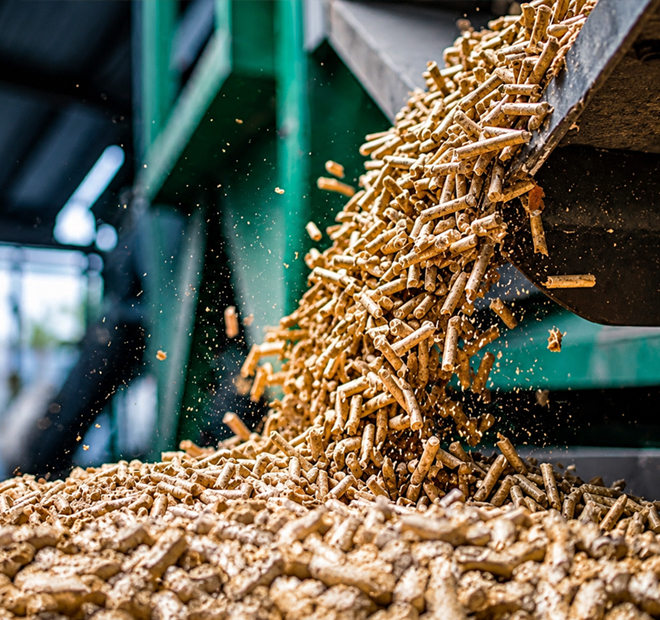
Biomass fuel pellet production is the process of converting loose biomass materials into compact cylindrical fuel pellets through mechanical compression.
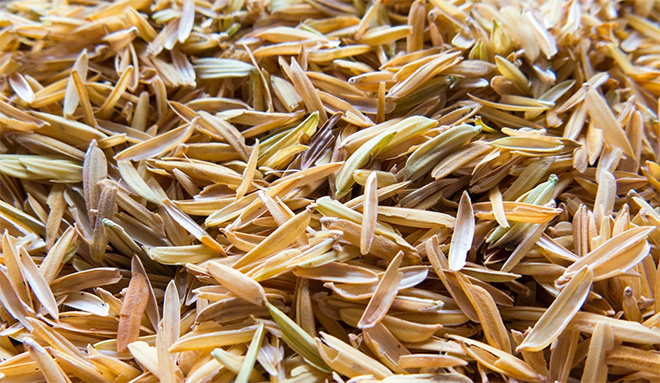
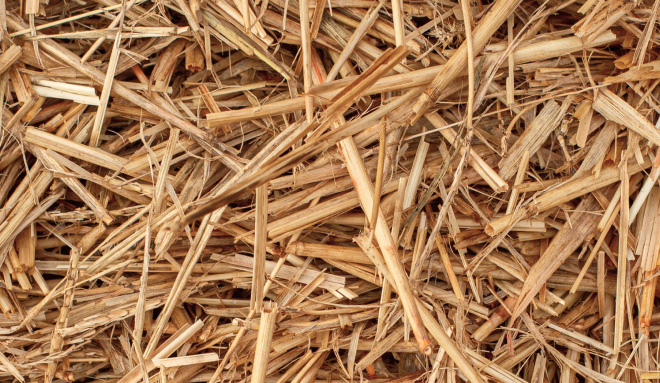
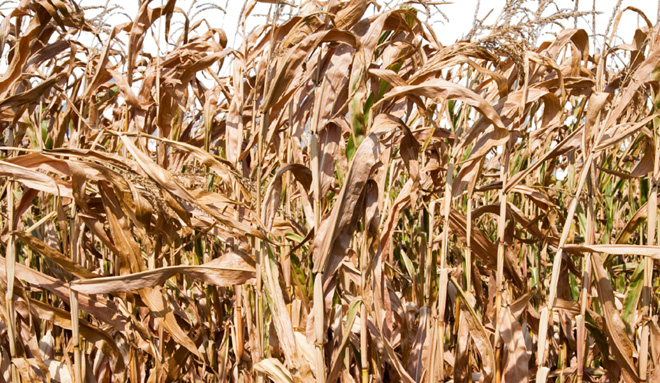
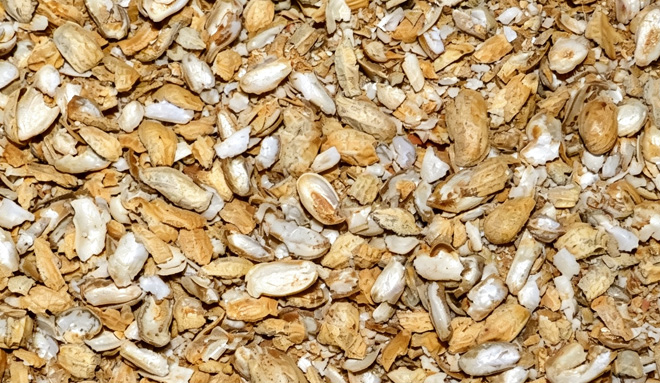
Agricultural residues and biomass by-products such as rice husks, straw, corn stalks, peanut shells, palm fiber, bagasse, and other plant-based materials can be processed into biomass fuel pellets when their physical characteristics are suitable for pelletizing.
Compared with loose biomass materials, fuel pellets offer a more uniform shape, higher bulk density, easier storage, and more convenient transportation and handling.
A typical biomass pellet production process includes: Raw Material Preparation → Crushing → Drying → Pelletizing → Cooling → Screening → Packing
The actual process and equipment configuration depend on the characteristics of the raw material and the required production capacity.
Biomass Materials Suitable for Fuel Pellet Production
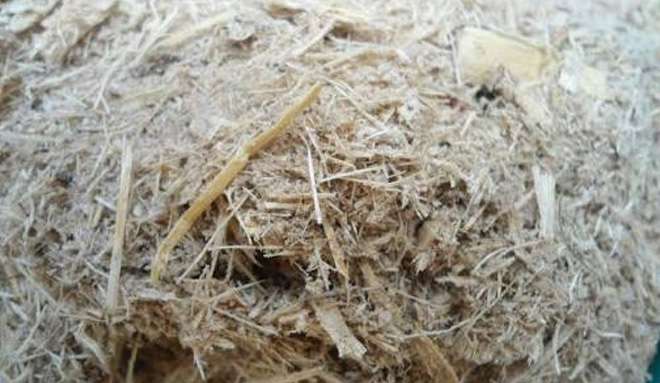
Biomass materials have different moisture levels, fiber structures, particle sizes, and bulk densities. Therefore, the production process should be designed according to the specific raw material.


Biomass Fuel Pellet Production Process
A complete biomass fuel pellet production line normally consists of several processing stages.
Request Factory Quotation for Pellet Machines
Send your raw material, required capacity, and factory layout. Tongfu engineers will recommend a suitable pellet machine or production line plan.
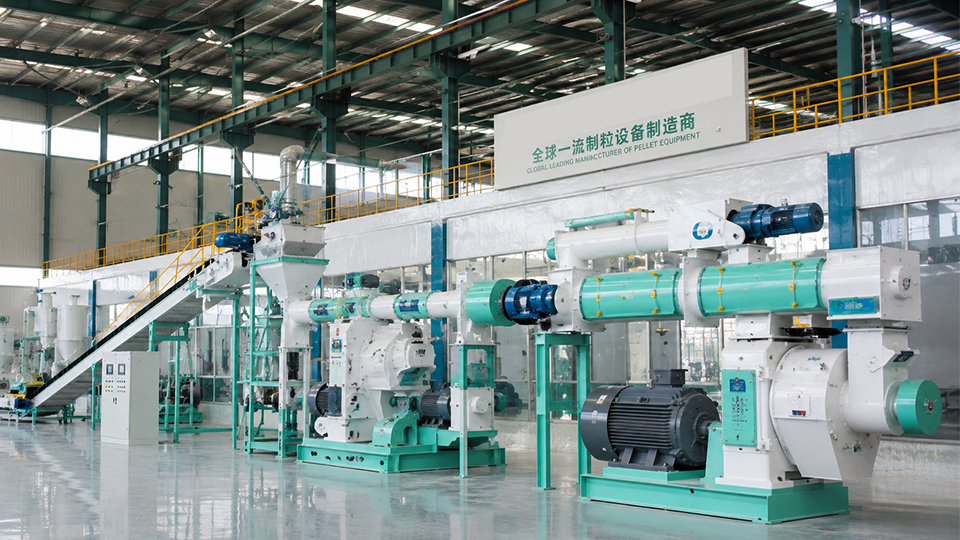
Biomass Pellet Production Lines for Different Capacities
Small-Scale Biomass Fuel Pellet Production
Small-scale biomass pellet production is suitable for farms, agricultural businesses, small biomass processors, and companies that have a local supply of agricultural residues.
A basic production system may include:
Raw Material → Crushing → Pelletizing → Cooling → Screening → Packing
This configuration can reduce the initial investment while providing the essential functions required for biomass pellet production.

Industrial Biomass Fuel Pellet Production
Industrial biomass pellet plants require stable material feeding, continuous pelletizing, efficient cooling, reliable conveying, dust control, and appropriate automation.
A complete industrial biomass pellet production line may integrate:Raw Material Handling, Crushing System, Drying System, Pelletizing System, Cooling System, Screening System, Conveying System, Packing System, Dust Collection, Electrical Control.
Tongfu can help customers configure a complete production system according to the available raw material supply, factory layout, target capacity, and production requirements.

Medium-Scale Biomass Pellet Production
Medium-scale projects generally require higher production capacity and more stable material handling.
A typical system may include:
Raw Material Preparation → Crushing → Drying → Pelletizing → Cooling → Screening → Packing
The exact configuration depends on the raw material moisture, particle size, and target production capacity.

Common Biomass Fuel Pellet Applications
Biomass fuel pellets can be produced for different energy and heating applications depending on pellet quality, raw material, local regulations, and the requirements of the end-use equipment.
Industrial Boiler Fuel
Biomass pellets can be used as a standardized solid biomass fuel for suitable industrial boiler and heating systems.
Commercial Heating
Commercial facilities can use suitable biomass pellets for heating applications where compatible biomass combustion systems are installed.
Biomass Energy Production
Pelletizing biomass residues can improve their bulk density and make them easier to store, transport, and feed into suitable biomass energy systems.
Agricultural Waste Utilization
Biomass pellet production provides a way to convert selected agricultural residues and by-products into a more convenient fuel form.
Biomass Fuel Pellet Production for Different Raw Materials
Different biomass materials require different production configurations.
| Raw Material | Typical Preparation | Pelletizing Considerations |
| Rice Husk | Crushing / Moisture Adjustment | Material characteristics and ash content |
| Straw | Cutting / Crushing / Drying | Fiber length and moisture |
| Corn Stalk | Crushing / Drying | Particle size and fiber structure |
| Peanut Shell | Crushing / Moisture Adjustment | Particle size and material composition |
| Bagasse | Drying / Size Reduction | High moisture may require drying |
| Palm Fiber | Crushing / Drying | Fiber length and moisture |
| EFB | Fiber Processing / Drying | High moisture and fiber structure |
| Wood Residues | Crushing / Drying | Particle size and moisture |
Flat Die vs. Ring Die Biomass Pellet Machine
Both flat die and ring die pellet machines can be used for biomass pelletizing, but they are designed for different production requirements.
| Feature | Flat Die Pellet Machine | Ring Die Pellet Machine |
| Production Scale | Small to medium | Medium to large |
| Initial Investment | Lower | Higher |
| Machine Structure | Compact | Industrial |
| Operation | Relatively simple | Designed for continuous production |
| Automation | Suitable for small systems | Highly suitable for automated lines |
| Application | Farms and small businesses | Commercial and industrial plants |
| Production Capacity | Lower | Higher |
How to Choose the Right Biomass Pellet Machine
Choosing a biomass pellet machine based only on the desired output is not enough. The raw material characteristics are equally important.
1. Identify Your Biomass Material
2. Check Moisture Content
3. Determine the Required Capacity
4. Define the Pellet Size
5. Consider Production Hours
6. Select the Appropriate Automation Level
Factory-Direct Pellet Machine Supply
Tongfu is a manufacturing factory specializing in pelletizing equipment and production solutions. Working directly with the manufacturer allows customers to communicate with the engineering and production teams throughout the project.
Customized Production Solutions
Every wood pellet project is different. Tongfu considers raw material characteristics, production capacity, pellet size, automation level, and factory conditions when designing the equipment configuration.

Complete Equipment Integration
From the core wood pellet machine to crushing, drying, cooling, conveying, screening, and packing equipment, Tongfu can integrate the major stages of the production process into a complete solution.

Professional Technical Support
Our engineering team can assist with equipment selection, production line configuration, installation guidance, operation, and maintenance.
OEM and Customized Options
Machine configuration, electrical specifications, pellet diameter, production capacity, and other requirements can be discussed according to the customer's market and project conditions.
Frequently Asked Questions About Biomass Fuel Pellet Production
-
What materials can be used to make biomass fuel pellets?
Common biomass feedstocks include rice husk, straw, corn stalk, peanut shell, bagasse, palm fiber, EFB, grass, sawdust, wood residues, and other suitable plant-based materials. Suitability depends on material characteristics such as moisture and particle size.
-
What is a biomass pellet machine?
A biomass pellet machine is equipment that compresses prepared biomass materials through a pellet die to produce cylindrical biomass fuel pellets.
-
What is the difference between a biomass pellet machine and a biomass pellet production line?
A biomass pellet machine performs the pelletizing process. A complete biomass pellet production line may include raw material preparation, crushing, drying, pelletizing, cooling, screening, conveying, packing, and control systems.
-
Does biomass pellet production require drying?
Not always. Drying requirements depend on the moisture content of the raw material and the requirements of the pelletizing process. Tongfu can recommend whether a drying system is necessary after evaluating your material.
-
Can rice husk be made into biomass fuel pellets?
Yes, rice husk can be processed into biomass pellets when its physical characteristics and production conditions are suitable. The equipment configuration should take the material's characteristics into consideration.
-
Can straw be used for pellet production?
Yes. Wheat straw, rice straw, corn stalk, and other agricultural residues can be processed into biomass fuel pellets after appropriate cutting, crushing, moisture adjustment, and pelletizing.
-
How do I choose a biomass pellet machine?
The main factors include raw material type, moisture content, particle size, required capacity, pellet diameter, production hours, automation level, and budget.
-
Can Tongfu design a complete biomass pellet production line?
Yes. Tongfu can recommend and configure a complete biomass pellet production line based on your raw material, required production capacity, pellet specifications, factory conditions, and automation requirements.
-
Can Tongfu provide a customized biomass pellet machine?
Yes. Machine configuration and production line design can be adjusted according to raw material characteristics, production capacity, pellet diameter, electrical requirements, and other project specifications.
Have agricultural residues, plant fibers, or other biomass materials that you want to convert into fuel pellets?
Send Tongfu your raw material type, moisture content, required capacity, desired pellet diameter, and project location. Our engineering team can evaluate your requirements and recommend a suitable biomass pellet machine or complete production line.