


Agricultural Waste Pelletizing Solutions for Biomass Pellet Production
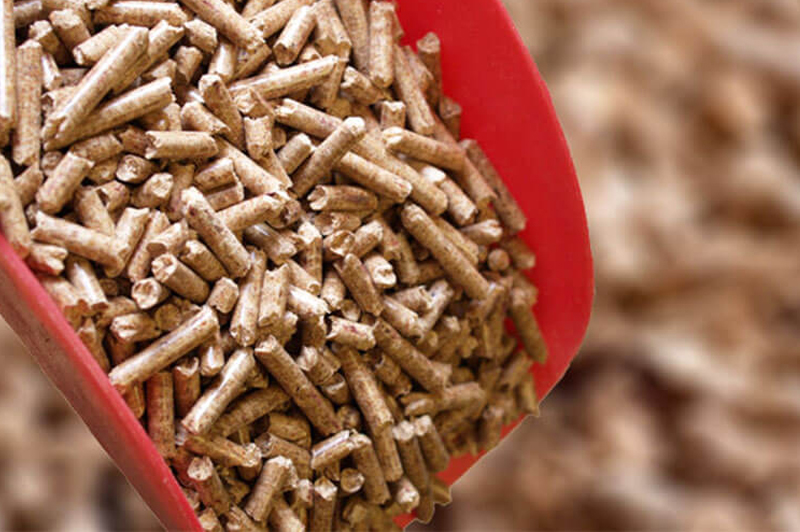
Tongfu provides complete wood pellet production solutions for converting sawdust, wood chips, wood shavings, and other wood residues into high-density biomass fuel pellets.
What Is Agricultural Waste Pelletizing?
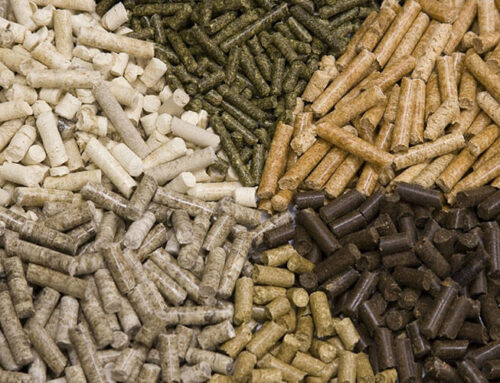
Agricultural waste pelletizing is the process of converting suitable agricultural residues into compact biomass pellets.
Many agricultural residues have relatively low bulk density, making them difficult to store and transport efficiently. Pelletizing compresses suitable biomass materials into a denser and more uniform form.Tongfu designs wood pellet production systems for both standalone pellet manufacturing and complete biomass fuel production projects.
A typical agricultural waste pelletizing process includes:Agricultural Waste → Crushing → Drying → Fine Grinding → Pelletizing → Cooling → Screening → Packing
The actual process depends on the type of agricultural waste, moisture content, particle size, fiber characteristics, production capacity, and final pellet application.
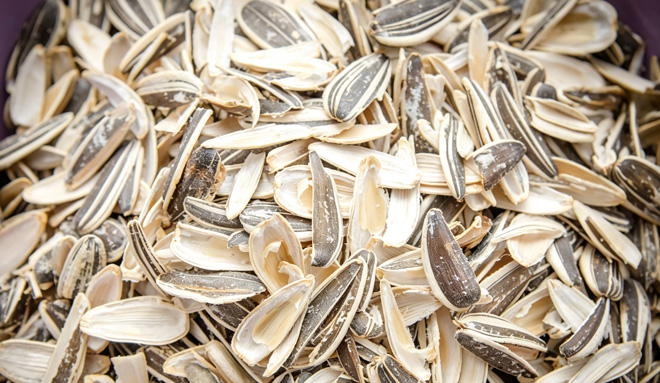
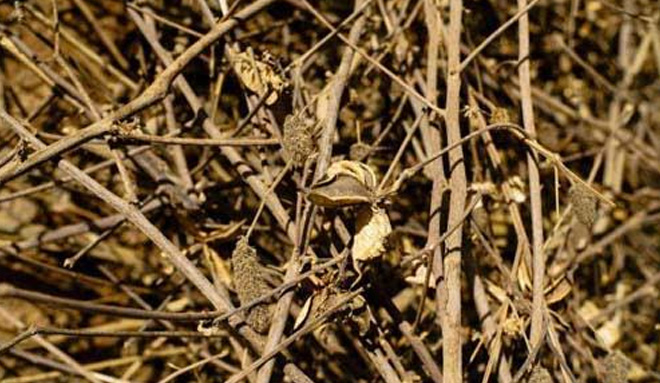
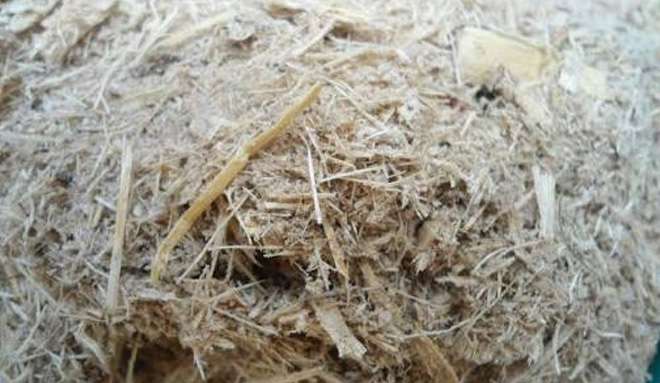
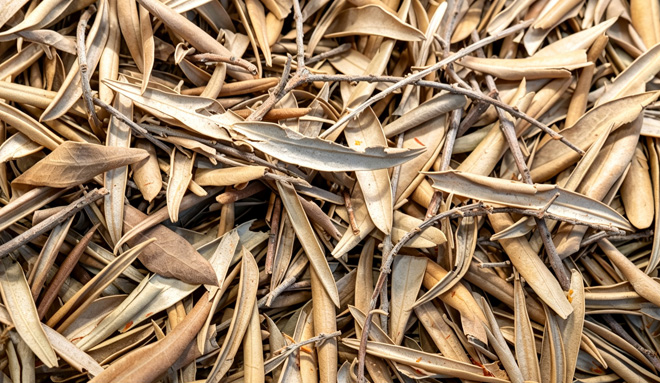
What Agricultural Waste Can Be Pelletized?
Tongfu pelletizing systems can be configured for a wide range of suitable agricultural residues.
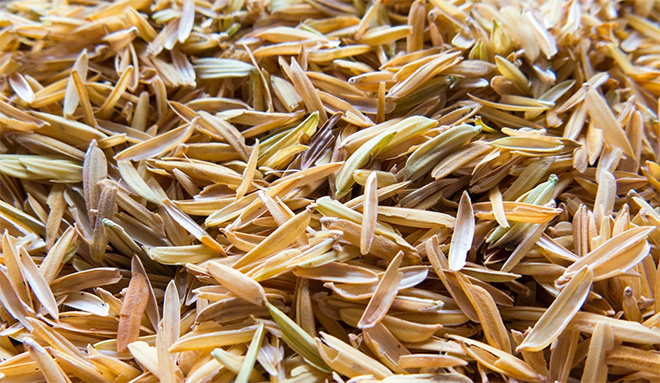
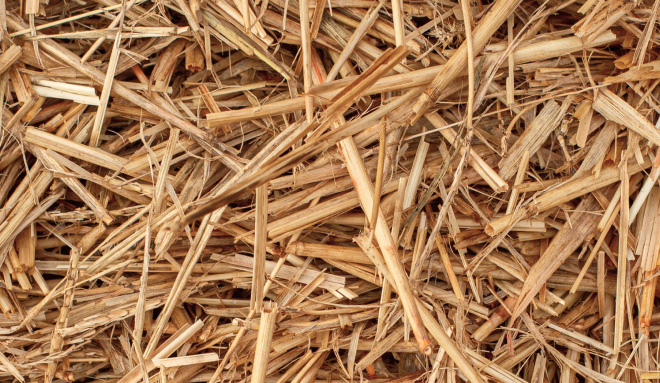
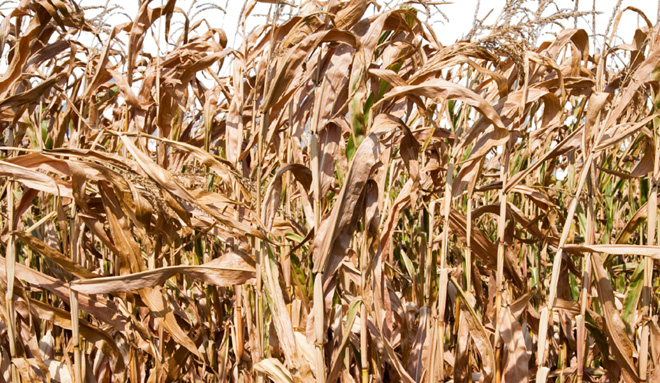
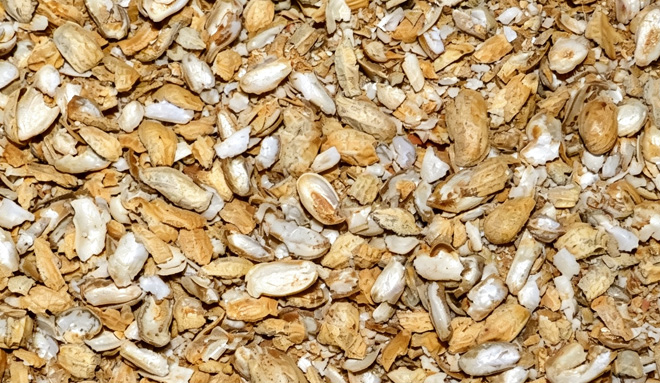
Common materials include:

Agricultural Waste Pelletizing Process
A complete agricultural waste pellet production line can include several processing stages.
Request Factory Quotation for Pellet Machines
Send your raw material, required capacity, and factory layout. Tongfu engineers will recommend a suitable pellet machine or production line plan.
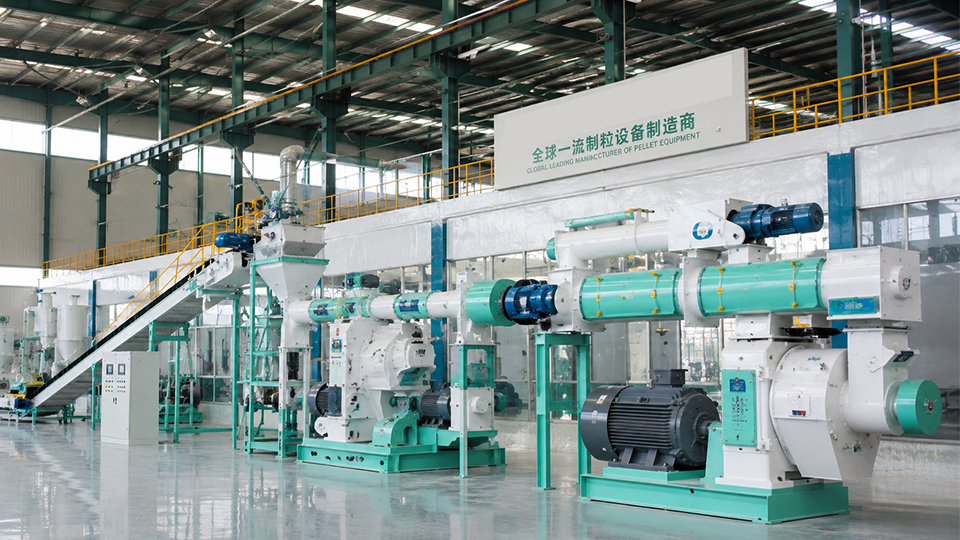
Agricultural Waste Pellet Production Line
Small-Scale Agricultural Waste Pelletizing
For farms and small agricultural businesses, a compact agricultural waste pelletizing system may be sufficient.
A basic system can include:
Crushing → Drying → Pelletizing → Cooling
If the raw material is already appropriately sized and has suitable moisture content, some preprocessing equipment may not be required.
Tongfu can configure compact systems according to the available raw materials and required output.

Commercial Agricultural Waste Pellet Production
Commercial biomass producers normally require a complete and continuous production process.
A commercial agricultural waste pellet production line can integrate:
Raw Material Feeding, Raw Material Feeding,
Crushing, Drying, Fine Grinding, Pelletizing,
Cooling, Screening, Conveying, Storage, Packing, Dust Collection, Electrical Control.
The complete system can be customized according to production capacity, raw material characteristics, factory layout, and automation requirements.

Complete Automated Pellet Production Line
Tongfu can design complete agricultural waste pellet production lines for different raw materials and production capacities.
A typical production line can include:
Raw Material Receiving → Cleaning & Separation → Chipping / Crushing → Drying → Fine Grinding → Pelletizing → Cooling → Screening → Packing
Depending on the raw material, some processing stages may be combined, removed, or expanded.
For example, relatively dry and uniform agricultural residues may require less intensive drying and size reduction than high-moisture straw or freshly collected crop residues.

Agricultural Waste Pelletizing Applications
Tongfu's agricultural waste pelletizing solutions can serve different applications.
Biomass Fuel Production
Convert suitable agricultural residues into biomass fuel pellets for industrial and commercial heating applications.
Agricultural Waste Recycling
Process crop residues into a more manageable and potentially valuable biomass product.
Biomass Energy Projects
Provide pelletizing equipment for agricultural biomass energy projects.
Farm-Based Biomass Production
Small and medium-sized agricultural businesses can process locally available residues into pellets.
Commercial Biomass Pellet Plants
Large biomass producers can use complete production lines for continuous agricultural waste pellet manufacturing.
Agricultural Waste Pelletizing for Different Materials
Different agricultural residues require different processing approaches.
| Feature | Typical Processing Considerations | Potential Pellet Application |
| Rice Husk | Grinding, moisture control, pelletizing | Biomass Fuel |
| Wheat Straw | Chopping, drying, grinding | Biomass Fuel |
| Corn Stalks | Chopping, drying, grinding | Biomass Fuel |
| Corn Cobs | Crushing, grinding, pelletizing | Biomass Fuel |
| Peanut Shells | Crushing, moisture control | Biomass Fuel |
| Sunflower Husks | Grinding, pelletizing | Biomass Fuel |
| Cotton Stalks | Chopping, drying, grinding | Biomass Fuel |
| Bagasse | Moisture control, drying, pelletizing | Biomass Fuel |
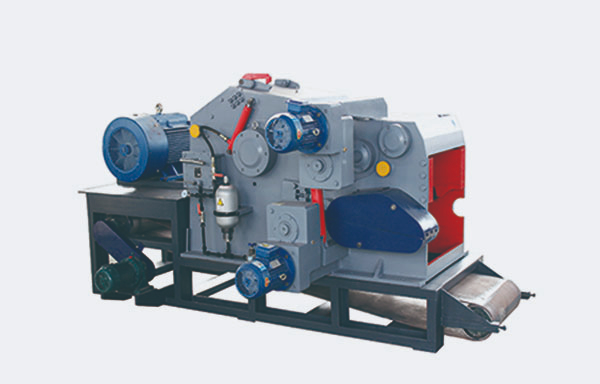
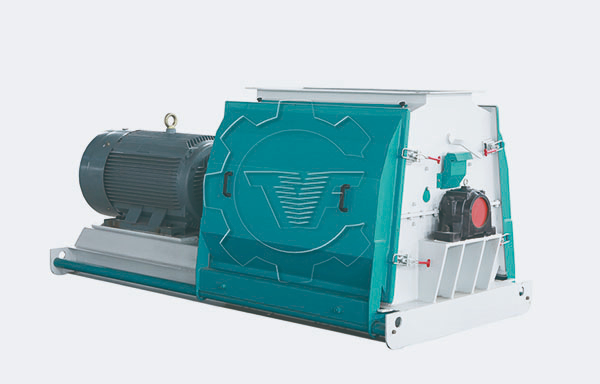
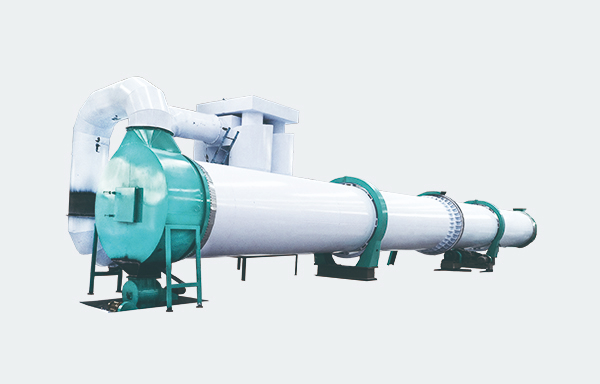
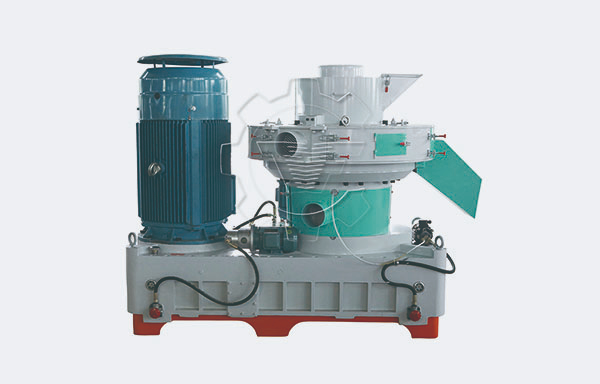
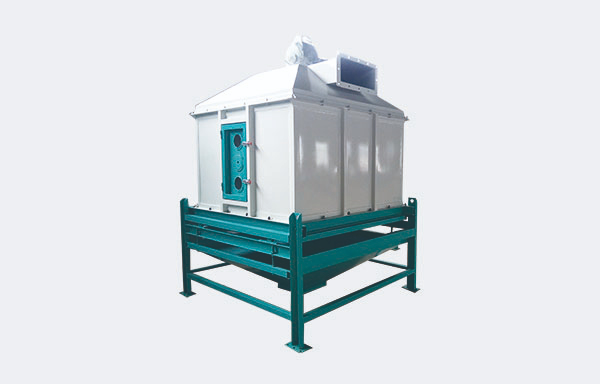
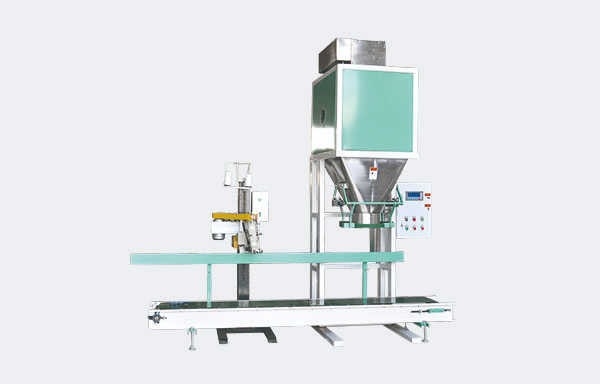
Agricultural Waste Pelletizing Equipment from Tongfu
Tongfu can supply the main equipment required for agricultural waste pellet production.
How to Choose an Agricultural Waste Pellet Machine
Choosing the right agricultural waste pellet machine requires more than simply selecting a machine based on capacity.
1. Identify the Agricultural Waste
2. Test the Raw Material
3. Determine the Required Capacity
4. Select the Pellet Diameter
5. Evaluate Drying Requirements
6. Consider the Complete Process
Factory-Direct Pellet Machine Supply
Tongfu is a manufacturing factory specializing in pelletizing equipment and production solutions. Working directly with the manufacturer allows customers to communicate with the engineering and production teams throughout the project.
Customized Production Solutions
Every wood pellet project is different. Tongfu considers raw material characteristics, production capacity, pellet size, automation level, and factory conditions when designing the equipment configuration.

Complete Equipment Integration
From the core wood pellet machine to crushing, drying, cooling, conveying, screening, and packing equipment, Tongfu can integrate the major stages of the production process into a complete solution.

Professional Technical Support
Our engineering team can assist with equipment selection, production line configuration, installation guidance, operation, and maintenance.
OEM and Customized Options
Machine configuration, electrical specifications, pellet diameter, production capacity, and other requirements can be discussed according to the customer's market and project conditions.
Frequently Asked Questions About Agricultural Waste Pelletizing
-
What is agricultural waste pelletizing?
Agricultural waste pelletizing is the process of converting suitable agricultural residues such as straw, husks, stalks, shells, and other crop residues into compact biomass pellets.
-
What agricultural waste can be used for pellet production?
Common materials include rice husk, wheat straw, corn stalks, corn cobs, peanut shells, sunflower husks, cotton stalks, bagasse, and other suitable agricultural residues.
-
Can agricultural waste be used to make biomass fuel pellets?
Yes. Suitable agricultural residues can be processed into biomass fuel pellets for appropriate heating and energy applications. The final fuel properties depend on the raw material and processing conditions.
-
Does agricultural waste need to be dried before pelletizing?
Not always. The need for drying depends on the original moisture content and the requirements of the pelletizing process. High-moisture agricultural residues generally require drying before pelletizing.
-
What machine is used to pelletize agricultural waste?
An agricultural waste pellet mill or biomass pellet mill is used to compress prepared agricultural residues into pellets. Crushing, drying, cooling, and screening equipment may also be required depending on the raw material.
-
Can rice husk be made into pellets?
Yes. Rice husk can be processed into biomass pellets when its physical characteristics and ash content are suitable for the intended application. The processing system should be designed according to the actual rice husk properties.
-
Can corn stalks be pelletized?
Yes. Corn stalks can be chopped, dried, crushed, and pelletized when properly prepared for the pelletizing process.
-
Can straw be made into biomass pellets?
Yes. Suitable straw materials can be processed into biomass pellets after appropriate size reduction and moisture control.
-
What is the difference between an agricultural waste pellet machine and a wood pellet machine?
Both machines are used for biomass pelletizing, but agricultural residues and wood materials can have different moisture, fiber, ash, and bulk-density characteristics. The equipment configuration and processing conditions should therefore be selected according to the actual raw material.
-
Can Tongfu design a complete agricultural waste pellet production line?
Yes. Tongfu can configure a complete agricultural waste pellet production line including crushing, drying, grinding, pelletizing, cooling, screening, conveying, and packing according to the project requirements.
Have rice husk, wheat straw, corn stalks, corn cobs, peanut shells, sunflower husks, cotton stalks, bagasse, or other agricultural residues?
Tongfu can help you design a suitable agricultural waste pelletizing system based on your raw material and production goals.